
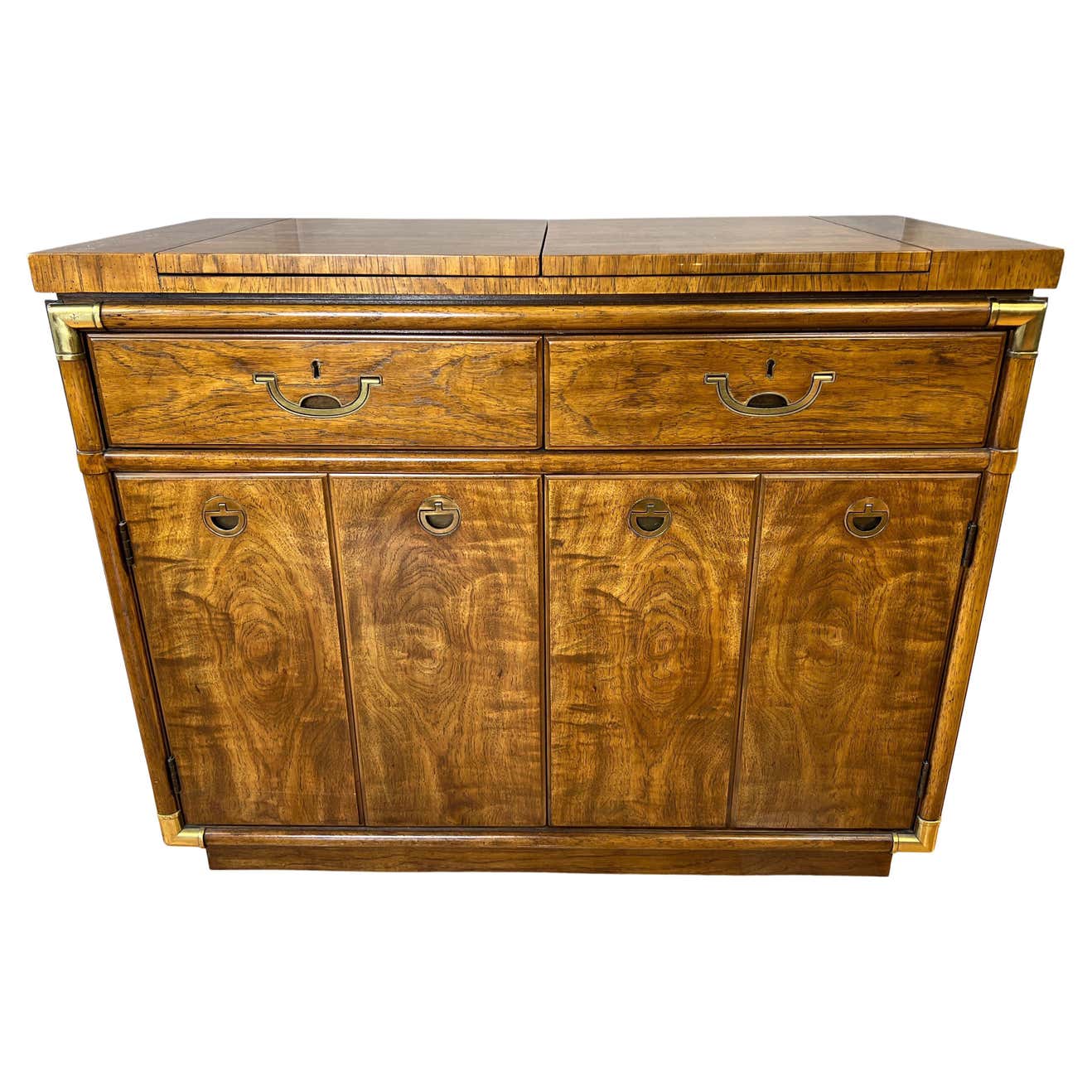
The Value of Proper Care
Vintage wood furniture has already proven its durability by surviving decades of use. With the right care, a mid-century teak credenza or an antique walnut dining table will continue to serve you beautifully for generations to come. The goal is not to make old furniture look new, but to preserve and enhance the character it has developed over time.
The good news is that caring for vintage wood is straightforward. A few simple habits and the right products are all you need.
Everyday Cleaning
Dust is the most common threat to wood furniture. Fine particles can scratch finishes over time, and dust buildup traps moisture that can dull the surface.
- Dust regularly with a soft, lint-free cloth. Microfibre works well. Always dust in the direction of the grain.
- Avoid feather dusters, which tend to push dust around rather than lift it, and can scratch delicate finishes with their quills.
- For deeper cleaning, dampen your cloth slightly with water and wipe gently. Follow immediately with a dry cloth. Never leave water sitting on wood surfaces.
- Skip silicone-based sprays. Products like commercial furniture polishes can leave a sticky buildup that attracts dust and is difficult to remove. They can also interfere with future refinishing.
Protecting the Finish
The finish on your vintage furniture, whether it is lacquer, oil, wax, or shellac, is its first line of defence against moisture, stains, and wear.
- Use coasters and trivets. Heat and moisture from cups and dishes can leave white rings on finished surfaces. Felt-bottomed coasters prevent this entirely.
- Keep pieces out of direct sunlight. UV exposure fades wood and can cause finishes to crack and peel. If you cannot move a piece away from a window, consider sheer curtains or UV-filtering window film.
- Maintain stable humidity. Wood expands and contracts with changes in humidity. Extreme dryness can cause cracking and joint failure; excessive moisture can cause warping. A range of 40 to 60 percent relative humidity is ideal. In San Francisco, the coastal climate is generally kind to wood furniture, but indoor heating can dry the air in winter.
- Apply paste wax once or twice a year to pieces with a lacquer or shellac finish. A thin coat of quality paste wax, such as Renaissance Wax or Briwax, buffs to a soft lustre and adds a protective layer. Apply sparingly, let it haze, then buff with a clean cloth.
Caring for Oiled Wood
Many Scandinavian and Danish modern pieces were finished with tung oil or teak oil rather than lacquer. These finishes have a more natural, matte appearance and require different care.
- Re-oil periodically. When the surface starts to look dry or chalky, apply a thin coat of teak oil or Danish oil with a soft cloth. Let it soak in for 15 to 20 minutes, then wipe off any excess. One or two applications per year is usually sufficient.
- Do not use paste wax on oiled surfaces. Wax can prevent oil from penetrating the wood on future applications and create a patchy appearance.
- Spot-treat water stains by lightly sanding with very fine sandpaper (320 grit or higher) in the direction of the grain, then re-oiling the area. Blend into the surrounding surface.
Dealing with Common Damage
Small scratches: Light scratches in the finish can often be minimised with a touch of paste wax or a dedicated scratch cover product matched to the wood tone. For oiled surfaces, a light application of oil may be enough. Rubbing a walnut meat (the nut, not a shell) along the scratch is an old trick that works surprisingly well on darker woods.
White rings: These are typically caused by moisture trapped in the finish, not in the wood itself. Try placing a clean cloth over the ring and pressing briefly with a warm iron on a low setting. The heat draws the moisture out. Check frequently to avoid overheating. Alternatively, a small amount of non-gel toothpaste rubbed gently over the ring with a soft cloth can work.
Loose joints: If a chair or table starts to wobble, do not wait for the problem to worsen. Loose joints put stress on the surrounding wood and can cause more damage over time. For a simple fix, carefully separate the joint, clean off old adhesive, apply fresh wood glue, and clamp until dry. For more complex repairs, consult a professional furniture restorer.
Veneer issues: Lifting or bubbling veneer is common on older pieces. A small amount of wood glue applied under the veneer with a thin spatula or syringe, followed by clamping with a flat board and clamps, usually resolves the issue. Work carefully, as vintage veneers are often thinner than modern ones.
When to Call a Professional
Some repairs are best left to experienced restorers. Significant structural damage, valuable pieces with original finishes, and anything requiring stripping and refinishing should be handled by a professional who understands vintage furniture. A good restorer will respect the piece's age and character rather than making it look factory-fresh.
At Past Perfect, we are happy to recommend trusted furniture restorers in the San Francisco area. Reach out to us if you need a referral, or if you have questions about caring for a piece you have purchased from our showroom.